
As spring breathes new life into the world around us, it also presents an opportunity to rejuvenate our own well-being. For those grappling with shoulder pain, the transition to this vibrant season can serve as a catalyst for embarking on a therapeutic journey towards relief and renewal. In this blog, we’ll explore how physical therapy not only addresses shoulder pain but also delves into the fascinating realm of neuromodulation to alleviate pain levels and promote healing.
Understanding Neuromodulation
Neuromodulation involves the alteration of nerve activity through targeted interventions to regulate or normalize neural function. In the context of pain management, neuromodulation techniques aim to modify the perception of pain by targeting the nervous system’s pathways and mechanisms involved in pain transmission and processing.
The Role of Physical Therapy
Physical therapy serves as a cornerstone in the management of shoulder pain, offering a holistic approach that addresses both the physical and neurological aspects of discomfort. By combining therapeutic interventions with neuromodulatory techniques, physical therapists empower individuals to regain control over their pain and optimize their quality of life.


Therapeutic Interventions for Neuromodulation
1. Exercise Therapy: Physical therapists prescribe tailored exercise regimens designed to improve strength, flexibility, and mobility in the shoulder joint. Through repetitive movements and targeted exercises, neuromuscular connections are strengthened, promoting neuromodulation and reducing pain perception over time.
2. Manual Therapy: Hands-on techniques such as massage, joint mobilization, and soft tissue manipulation can help modulate pain signals by stimulating mechanoreceptors and proprioceptive feedback mechanisms. Manual therapy not only alleviates muscular tension and stiffness but also enhances neural connectivity, promoting pain relief and functional improvement.
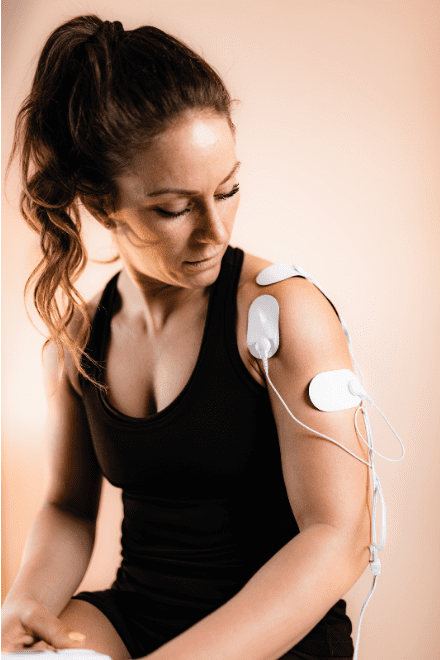
3. Electrotherapy: Modalities such as transcutaneous electrical nerve stimulation (TENS) and electrical muscle stimulation (EMS) deliver electrical impulses to peripheral nerves, effectively disrupting pain signals and inducing a neuromodulatory effect. By targeting specific nerve pathways, electrotherapy can provide immediate pain relief and facilitate long-term neural adaptations.
4. Mind-Body Interventions: Techniques like mindfulness meditation, relaxation exercises, and cognitive-behavioral therapy (CBT) harness the power of the mind to modulate pain perception and promote psychological well-being. By fostering a positive mindset and reducing stress, these interventions help recalibrate neural circuits involved in pain processing, leading to improved pain management outcomes.
5. Biofeedback: Biofeedback techniques enable individuals to gain insight into their physiological responses and learn to exert voluntary control over bodily functions. By providing real-time feedback on parameters such as muscle tension and heart rate variability, biofeedback promotes self-regulation and facilitates neuromodulation of pain pathways.
Embracing Spring with Shoulder Wellness
As we usher in the season of renewal, let us embrace the opportunity to spring out of shoulder pain and embark on a therapeutic journey towards neuromodulation. Through the collaborative efforts of physical therapists and individuals committed to their health, we can harness the transformative power of therapeutic interventions to alleviate pain, restore function, and cultivate a renewed sense of vitality as we bask in the beauty of spring.