Pelvic Health
The Pelvic Physical Therapy Team at Apex will impress you with their knowledge and skill, but they will amaze you with how easy they are to share our story with. From incontinence to pelvic pain in males or females, pregnancy/postpartum to bedwetting, painful periods to menopause, and pelvic and breast cancer recovery, our team is highly trained to improve your quality of life.
Women's Pelvic Health
Pelvic pain and pelvic floor dysfunction are common, yet often misunderstood and under-treated. Women may experience symptoms at any stage of life — from adolescence through pregnancy, postpartum, and menopause. At Apex, we provide specialized pelvic health physical therapy designed to address the root cause of symptoms and help women move, function, and feel better.
What Is Pelvic Pain and Dysfunction?
Pelvic pain and dysfunction refer to a wide range of conditions affecting the pelvic region. Symptoms may occur when pelvic floor muscles are too tight, too weak, or not coordinating properly. Pain or dysfunction may also be influenced by the low back, hips, sacroiliac joint, or surrounding tissues.
Pelvic tissues may become overly sensitive or lack normal sensation, leading to pain, discomfort, or changes in bladder, bowel, or sexual function.
Common Causes of Pelvic Pain
Pelvic pain and dysfunction may develop due to:
- Pregnancy and childbirth
- Undiagnosed or recurrent infections
- Poor posture or movement patterns
- Trauma
- Surgery
- Musculoskeletal or joint impairments
Pelvic pain often develops gradually and may persist if not properly addressed.
Conditions We Treat
Pelvic health physical therapy can help women experiencing:
- Tailbone pain
- Bladder pain or pressure
- Urinary incontinence
- Low back or hip pain
- Postural issues
- Abdominal cramping
- Painful intercourse
- Vaginal spasms
- Post-surgical pain
- Pre- and postnatal pain
Many women live with these symptoms longer than necessary. Pelvic health physical therapy offers an effective, evidence-based treatment option.
What to Expect at Your First Visit
Your first appointment includes a comprehensive evaluation focused on your symptoms, movement, posture, breathing, and pelvic floor function. We take time to listen, answer questions, and create a plan that aligns with your comfort level and goals.
Your Individualized Treatment Plan
Your plan of care is customized and may include:
- Internal and external pelvic floor muscle treatment
- Manual therapy
- Relaxation techniques
- Biofeedback or surface EMG
- Strengthening and coordination exercises
- Bladder retraining strategies
- Breathing mechanics and posture education
- Home exercise programming
Treatment is always guided by your needs, comfort, and progress.
Our Goal
At Apex, our goal is to help you overcome pelvic pain and dysfunction so you can return to daily activities, exercise, and life with confidence. Physical therapy has been proven to effectively treat pelvic pain and dysfunction — and you don’t have to navigate it alone.
Men's Pelvic Health
Pelvic health concerns aren’t just a women’s issue. Many men experience pelvic pain, bladder or bowel dysfunction, or sexual health concerns at some point in their lives — yet these issues often go untreated or misdiagnosed. At Apex, we provide specialized physical therapy to help men address pelvic health conditions with a whole-body, individualized approach.
Common Conditions We Treat
Men may benefit from pelvic health physical therapy for concerns such as:
- Pelvic pain or pressure
- Bladder dysfunction or urinary incontinence
- Difficulty fully emptying the bladder
- Frequent or urgent urination
- Prostate-related dysfunction
- Erectile or sexual dysfunction
- Pain with sitting, exercise, or daily activity
- Hip, low back, or pelvic floor muscle pain
Pelvic pain can have multiple causes and is not always easy to diagnose. Many men struggle for years before finding care that addresses the root of the problem.
What Causes Pelvic Pain in Men?
Pelvic pain may stem from a variety of factors, including:
- Bladder disorders
- Bowel or intestinal disorders
- Prostate dysfunction
- Hernias or pelvic fractures
- Irritable Bowel Syndrome (IBS)
- Kidney stones or infections
- Nerve conditions, including pudendal neuralgia
- Sexual dysfunction
A lack of awareness around men’s pelvic health often leads to delayed or incomplete treatment. Our team takes a comprehensive, multidisciplinary approach to care.
What to Expect at Your First Visit
Your initial visit will include a thorough evaluation focused on understanding your symptoms, movement patterns, posture, breathing, and pelvic floor function. We’ll discuss your goals and develop a plan that feels comfortable, respectful, and collaborative.
What Does Treatment Include?
Each plan of care is individualized and may include:
- Manual therapy for pelvic floor and surrounding muscles
- Soft tissue and joint mobilization
- Postural and movement education
- Breathing and relaxation techniques
- Strengthening and coordination exercises
- Bladder and bowel retraining strategies
- Behavioral and lifestyle modifications
- Home exercise programming
Treatment is always guided by your comfort level and goal.
You Don’t Have to Live With It
Men’s pelvic health issues are common — and treatable. If you’re experiencing symptoms that are impacting your quality of life, help is available. Our team is trained to address these concerns with professionalism, discretion, and evidence-based care.
Pediatric Bladder & Bowel
Bladder and bowel concerns are common in children — especially during and after potty training — and they are not a sign of laziness or poor behavior. Every child develops differently, and it’s not uncommon for accidents to continue, particularly at night. At Apex, we provide specialized pediatric physical therapy to help children gain better bladder and bowel control in a supportive, age-appropriate way.
Common Pediatric Bladder & Bowel Concerns
Your child may benefit from therapy if they experience:
- Daytime or nighttime accidents after potty training
- Urinary leakage or urgency
- Difficulty fully emptying the bladder
- Constipation
- Bowel accidents
- Frequent bathroom trips
- Pain or discomfort with bowel movements
These challenges can be frustrating for both children and parents, but help is available.
How Pediatric Bladder & Bowel Therapy Works
Our pediatric specialists work to identify the root cause of your child’s bladder or bowel difficulties. Treatment is individualized and may include:
- Behavioral modifications
- Dietary education and habit changes
- Postural correction
- Pelvic floor rehabilitation
- Biofeedback
- Rehabilitative ultrasound
- Home strategies tailored to your child
Treatment includes both in-clinic and at-home components to support consistent progress.
Biofeedback & Rehabilitative Ultrasound
Biofeedback and rehabilitative ultrasound are key tools in our pediatric bladder and bowel program.
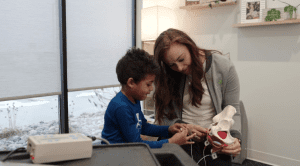
- Biofeedback uses small, sticker-like electrodes placed on the skin to measure muscle activity. This allows your child to see how their muscles are working and learn better control.
- Rehabilitative ultrasound provides real-time visual feedback of pelvic floor muscle activity and related structures.
Both tools are non-invasive and painless, and help children better understand how their bodies work.
What Can Parents Expect?
Our team will help identify the main issues related to your child’s incontinence and create a specialized plan of care. Plans may include behavioral strategies, pelvic rehabilitation, biofeedback, and ultrasound, all tailored to your child’s needs.
With consistent participation both in the clinic and at home, many families begin to see improvement within the first few weeks.
Check out:
Common Myths — Explained
Myth: Once a child is diagnosed with incontinence, nothing can be done.
Truth: Incontinence can almost always be treated, resolved, or successfully managed with the right approach.
Myth: Decreasing how much my child drinks will stop accidents.
Truth: Reducing fluid intake can increase dehydration risk and may worsen incontinence. Teaching healthy habits and timing is far more effective.
What Age Can My Child Be Seen?
Children typically continue developing bladder and bowel control until around age 5. We generally begin treatment at this age. Depending on symptoms, earlier screening may be appropriate, and a complimentary phone screening can help determine if therapy is right for your child.
Our Goal
Our goal is to help support your child’s confidence, independence, and success — while providing parents with education and guidance every step of the way. Pediatric bladder and bowel challenges are treatable, and your child does not have to “just grow out of it.”
Wondering if we can help? Get started by scheduling a free screening.
Apex Locations