
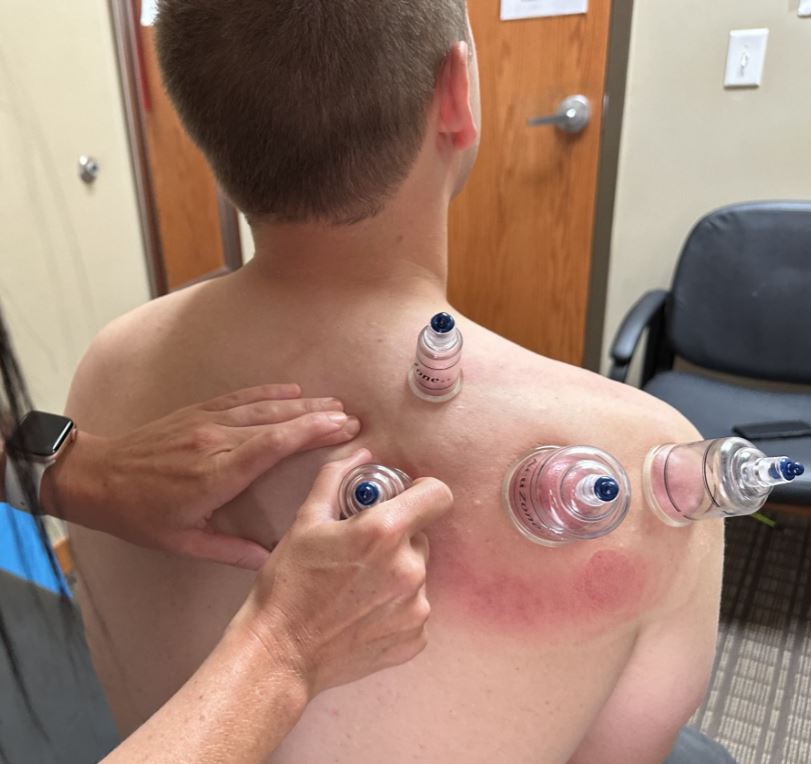
Before delving into the science behind the discoloration, it’s essential to understand how cupping works. Cupping practitioners typically use silicone, or plastic cups placed on the skin. These cups are squeezed or pumped to create a vacuum, which draws the skin and superficial muscle layer into the cup. This suction is believed to stimulate blood flow to the area, promoting healing and relieving tension.
Why You Turn Colors
The colorful marks left behind by cupping therapy may seem mysterious, but they have a scientific explanation rooted in increased blood flow, tissue response, and the body’s natural healing processes. While cupping marks may look similar to bruises, they are a byproduct of the therapeutic suction rather than injury. The colors can range from pink to purple, red, or even brownish-yellow. But what causes these discolorations?
- Increased Blood Flow: The suction created by the cups stimulates blood flow to the area, bringing more oxygen and nutrients to the tissues. This increased circulation can cause tiny blood vessels (capillaries) near the skin’s surface to rupture, leading to localized bleeding known as petechiae. These small amounts of blood trapped under the skin give rise to the characteristic discoloration.
- Release of Toxins: Cupping therapy helps release toxins and stagnant blood from the body’s tissues. The breakdown of these waste products may also contribute to the appearance of discoloration as they are cleared by the body’s lymphatic system.
- Depth & Duration and Individual Differences: The intensity of the discoloration can vary based on factors such as the depth of suction, the duration of cupping, and the individual’s skin sensitivity. Deeper suction or longer treatment sessions may result in more pronounced marks. It’s essential to recognize that people may respond differently to cupping therapy. Factors such as skin type, underlying health conditions, and the skill of the practitioner can influence the appearance and severity of cupping marks.
Are Cupping Marks Harmful?
Despite their appearance, cupping marks are generally harmless and temporary. They typically fade within a few days to a week as the body reabsorbs the trapped blood and clears away any metabolic waste products. However, individuals with certain medical conditions or those taking blood-thinning medications should consult with a healthcare professional before undergoing cupping therapy.