Today my topic of discussion is osteoporosis and fractures. When we discuss this topic, many people call to mind the hip fracture their mom or grandma had that landed them in the hospital. Or maybe it was the fall that resulted in a wrist fracture from your friend who is over 60. Those are both common injuries that can result from a ground level fall when you have osteoporosis, which is a weakening of your bones. One of my special interests as a physical therapist is osteoporosis and something that always surprises me is how very few people know about compression fractures. When I see a patient for osteoporosis and we start talking about bone weakening and fracture risk, many are very familiar with wrist and hip fractures, but very few are aware that they need to be concerned about something called a compression fracture. So today, I want to spend a little bit of time educating you about compression fractures and why this is one fracture that I am passionate about avoiding at all costs and doing everything within my and your power to prevent them from happening.
- What is a compression fracture?
In your back, you have beautifully stacked bones called vertebrae. You have 7 in your neck, 12 in your mid back (thoracic spine) and 5 in your low back (lumbar spine). A compression fracture occurs when one of the bones in your back breaks. Except, instead of a typical break that you think of in your hip, this type of break occurs like a collapsing. With a wedge compression fracture, the front part of the vertebrae collapses (but not the back), which creates a wedge shape. This can lead to that hunched over “little old lady” posture. They can be painful but sometimes they occur without people even knowing it and are discovered later when an x-ray is done for other issues.
- What is the likelihood of getting another fracture once I have one?
Here’s the sad truth—once you have 1 compression fracture, you are 4x more likely to get a 2nd one within a year. With every new compression fracture, the risk of sustaining another increases dramatically (this is why I am so passionate about preventing the first fracture!)
- What movements increase the risk of compression fractures?
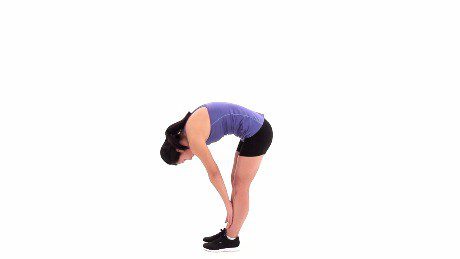
It is well established in research that moving into spinal flexion (forwards bending) increases the likelihood of sustaining a compression fracture.
- What are the best things that I can do to avoid compression fractures?
- Avoid flexion of the spine. Practice performing activities in a neutral spine position and bending at the hips instead of at the spine (squats for example). There are many activities throughout the day that can be modified to avoid spinal flexion (forward bending movement). Working with a PT to teach you simple modifications to common movements throughout the day can be incredibly helpful.
- Strengthen your spinal extensors. This one is a little more nuanced. Spinal extensors are the muscles that help to hold our body up in good posture. There are many exercises that can help to strengthen these muscles in standing, hands and knees, lying down on your stomach or back. My favorite way to start is by lying down on your back and performing the Meeks exercise routine. These are very simple exercises that engage the muscles of your back.
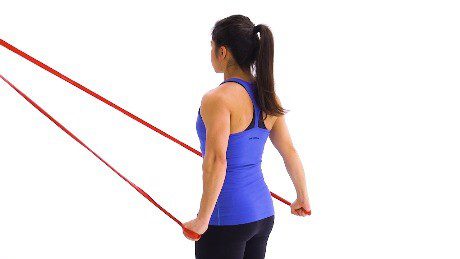
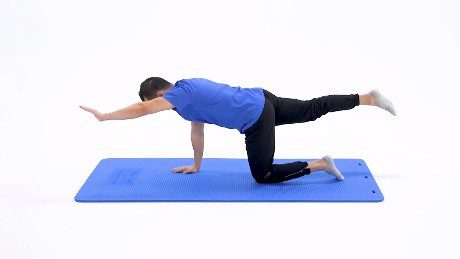
- Improve your posture. Age-related changes in posture are common but they are REVERSIBLE! Here is another “Ah ha” moment for you. Just because you are getting older, does not mean you have to resign yourself to “little old lady” or “little old man” posture. If you are noticing changes in your posture, there is something we can do about that! Again, my favorite way to start working on this is to lie down on your back and engage the muscles of your back in very gentle exercises.
As you can see, there are many things within your power that you can do to prevent compression fractures of the spine and to be proactive in managing your osteoporosis. Working with a physical therapist who has a special interest and training in osteoporosis management can be a huge asset to you at any point after you have been diagnosed with osteoporosis or osteopenia. At Apex Physical Therapy and Wellness Center, we have the Re-Align the Spine Program which will help you with all of the above information and more! The program consists of physical therapy carried out in 1 on 1 sessions with a physical therapist who has special training and a passion for osteoporosis and osteopenia care as well as improving posture. It is covered by insurance in most cases. It provides education on proactive movement and exercise interventions for osteoporosis as well as improving posture. Our goal is to guide and empower you with all the knowledge you need to move right and stand tall for years to come. Give Apex a call (701-364-APEX) and our schedulers will give you all the information you need to get started!