
As a pelvic health physical therapist, one of the most common phrases I hear from patients is: ‘I just thought this was normal.’ Pelvic pain is often minimized, dismissed, or quietly endured for years. Many people are told it’s simply a part of being a woman, part of aging, part of pregnancy/childbirth, or even a part of being active in general.
Here’s the truth: pelvic pain is common, but it is not normal – and it is not something that you should have to live with.
What is Pelvic Pain?
Pelvic pain can look very different from person to person. And although there is a higher reported prevalence of this in adult females, it is not uncommon in males and even children. Pelvic pain may present as the following:
- Pain with intercourse
- Pain during or after pregnancy
- Tailbone or deep hip pain
- Pain with sitting
- Pain with bowel movements or urination
- Menstrual pain that disrupts daily life
- Chronic low back, hip or groin pain with no clear cause
Because the pelvis is a crossroads for the musculoskeletal, nervous, digestive, urinary, and reproductive systems, symptoms are often very complex – and that complexity is one reason why pelvic pain can be so misunderstood.
Why Pelvic Pain Gets Dismissed
Pelvic pain can be normalized for several reasons:
- Cultural Messaging – Many people are told pain is just a part of life, aging, or staying active. So, people just learn to ‘live with it’
- Lack of Discussion – Pelvic health is rarely discussed openly as it is often seen as an ‘intimate’ area of the body.
- Invisible Symptoms – Pelvic pain isn’t always seen on imaging or other diagnostic tests, leading patients to believe ‘nothing is wrong’
- Fear or embarrassment – Many people suffer silently, unsure of what’s appropriate to talk about. This leads to additional feelings of loneliness and isolation.
The result? People adapt. They avoid activities, intimacy, exercise, travel, social events – slowly shrinking their lives to accommodate their pain.
Common Does Not Mean Normal
Just because something is common does not mean it’s healthy or normal. These symptoms are signals that your body is asking for help. I’m here to tell you that there is hope and help available!
The Pelvic Floor Physical Therapy: Often the Missing Piece
The pelvic floor is a group of muscles that supports your bladder, bowel, and – in females – reproductive organs. These muscles must be able to contract, relax, lengthen and coordinate with the rest of your body. Pelvic pain can occur when these muscles are overactive and unable to relax, weak and unable to support, poorly coordinated with breathing and movements, guarding due to past injury, trauma and pain.
Pelvic health physical therapy is specialized care focused on restoring function, comfort and confidence in your daily life. Treatment may look like the following:
- Manual Therapy (External and internal pelvic floor soft tissue work)
- Pain Neuroscience Education
- Breathing and Relaxation Strategies
- Strengthening and coordination exercises
- Postural and movement retraining
- Nervous system regulation
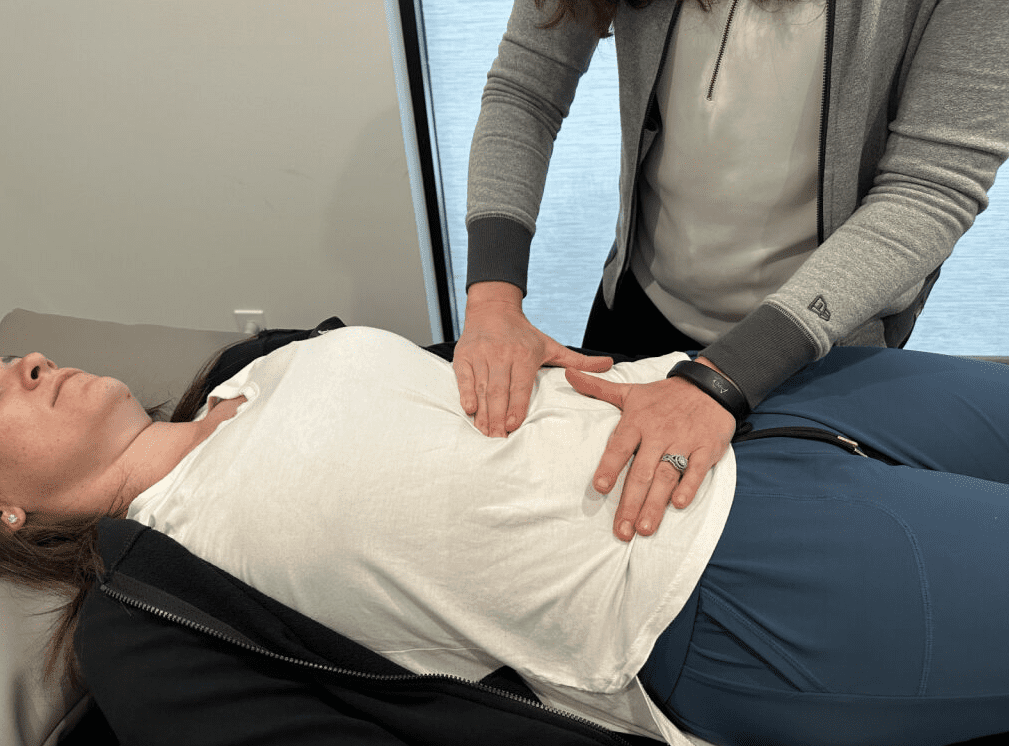
Most importantly, pelvic PT provides a safe, unbiased, respectful space where your concerns are heard and validated.
If you’ve been told pelvic pain is something you have to accept, know this: there are answers and there is help! You deserve care that looks deeper, listens longer, and treats you as a whole person. If pelvic pain is affecting your life in any way, it’s time to stop accepting it as normal and start seeking the care you deserve. At Apex we have a wonderful team of pelvic health providers who would be honored to be a part of your journey.