
Physical therapy (PT) can play an important role in recovery, prevention, and overall health—but there are still many misconceptions about what PT actually involves. Let’s clear up a few of the most common myths.

PT Just Stands for “Pain and Torture”
One common myth is that physical therapy means you will have to go through a lot of pain. In reality, physical therapists help you understand what pain is and how to manage it safely.
Not all pain means something is wrong. Your therapist will help you learn the difference between therapeutic discomfort (which can be part of healing) and harmful pain.
Physical therapy isn’t about a “no pain, no gain” mentality. Instead, therapists often use the idea that “sore is safe” and “hurt does not always equal harm.” The goal is to help your body recover while keeping you safe and progressing at the right pace.
I Need a Doctor’s Referral to Go to PT
Many people believe they must see a doctor first before visiting a physical therapist. However, many insurance plans now allow direct access, meaning you can schedule an appointment with a PT without a physician referral.
Seeing a physical therapist early can help determine whether further medical assessment or imaging is necessary. In many cases, early PT can help treat and resolve injuries faster.
That said, some insurance plans still require a referral, so it’s always a good idea to call your PT clinic or check with your insurance provider before scheduling.

Physical Therapy Is Too Expensive
While healthcare costs can be a concern, physical therapy is often more cost-effective in the long run compared to other treatments.
According to a 2023 report from the American Physical Therapy Association (APTA), PT has been shown to be a cost-effective treatment for several common conditions, including:
- Knee osteoarthritis
- Carpal tunnel syndrome
- Low back pain
- Stress urinary incontinence
- Tennis elbow
- Fall prevention
Research cited by the APTA found that:
- The average medical cost was 19% lower when physical therapy was the first treatment for low back pain compared to injections.
- Costs were 75% lower compared to surgery as a first-line treatment for low back pain.
- Patients who began PT within 15 days of injury or diagnosis also had lower overall treatment costs than those who started later.
Additionally, many insurance plans offer physical therapy coverage, so it’s worth checking your benefits.
PT Is Only for People Who Had Surgery or an Injury
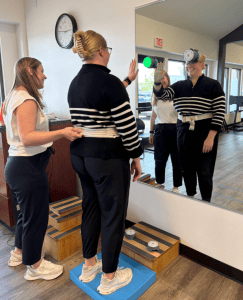
Physical therapy isn’t just for recovering from surgery or injuries. PT serves a wide range of people and conditions, including prevention, performance, and chronic condition management.
Physical therapists work with many populations, including:
Pre-habilitation (Pre-Surgery Preparation)
Starting PT before surgery can improve range of motion, strength, and pain levels while educating patients about recovery. This preparation can lead to better post-operative outcomes and faster return to daily activities.
Post-Surgical Rehabilitation
PT helps people recover after many types of surgeries, including:
- Joint replacements
- Abdominal surgeries
- Hysterectomy
- Cesarean section
- Hernia repair
- Bone fracture repair
- Carpal tunnel release
- Spinal surgeries
Injury Recovery
Physical therapists treat injuries ranging from:
- Motor vehicle accidents
- Falls or slips on ice
- Ankle sprains
- Repetitive lifting injuries from work or exercise
Pelvic Floor Therapy
Pelvic floor physical therapy can treat conditions such as:
- Urinary or fecal incontinence
- Constipation
- Pelvic pain
- Sexual dysfunction
- Pregnancy-related conditions
- Birth preparation
- Postpartum recovery
- Menopause symptoms
- Pelvic organ prolapse
- Hernias
Pelvic floor therapy is available for women, men, and pediatric patients.
Vestibular Therapy
PT can help treat vertigo and balance disorders caused by vestibular dysfunction.
Postural and Movement Disorders
Physical therapy can address conditions such as:
- Scoliosis
- Osteoporosis
- Balance and mobility concerns in active aging
Workplace Injury Prevention
Physical therapists can also help prevent injuries by evaluating:
- Desk ergonomics
- Proper lifting techniques
- Safe movement patterns for manual labor
- Stretching routines to reduce work-related injuries
Neurological Conditions
PT is commonly used to treat conditions such as:
- Multiple sclerosis (MS)
- Stroke
- Cerebral palsy (CP)
- Parkinson’s disease
- Traumatic brain injury (TBI)
PT Is Just a Bunch of Exercise
While exercises are an important part of physical therapy, PT involves much more than a generic workout.
Your therapist creates a personalized treatment plan based on your specific condition, limitations, and goals. Not every exercise is appropriate for every person, and proper guidance ensures you perform movements safely and effectively.
Physical therapists also help you learn how to move correctly and reconnect with your body, reducing the risk of further injury.
Treatments may include:
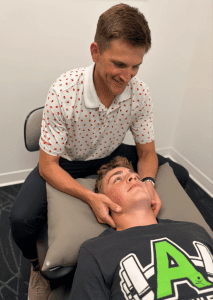
- Manual therapy techniques (soft tissue work, myofascial release, trigger point release, neural mobilization, ASTYM, dry needling)
- Vestibular rehabilitation techniques for vertigo
- BFR (blood flow restriction) techniques for strength training
- Biofeedback and therapeutic or diagnostic ultrasound
- Balance and stability training
- Aquatic therapy and water-based exercises

Sources