
A hard collision on the field. A fall on an icy sidewalk. An unexpected hit at work. The event may last a second, but afterward, everyday activities can feel surprisingly difficult. Your computer screen brings on a headache. A busy grocery store makes you dizzy. By lunchtime, you feel like your battery is empty.
These can all be signs of a concussion. Understanding the injury—and having a plan—can make the road back to school, work, and sports less confusing.
What Actually Happens During A Concussion?
A concussion is a type of traumatic brain injury caused by a bump, blow, or jolt that makes the brain move rapidly inside the skull. A direct hit to the head is not required: a forceful hit to the body can also transmit enough movement to cause an injury.
That movement can stretch brain cells and trigger chemical changes that interfere with how the brain functions. Concentrating, balancing, processing visual information, and tolerating exercise may temporarily become harder. [1]
You do not have to lose consciousness to have a concussion. A normal CT scan also does not rule one out. Concussions usually do not appear on routine brain imaging; clinicians may order imaging to check for bleeding or other serious injuries when indicated. [1, 2]
The Symptoms Can Extend Beyond A Headache
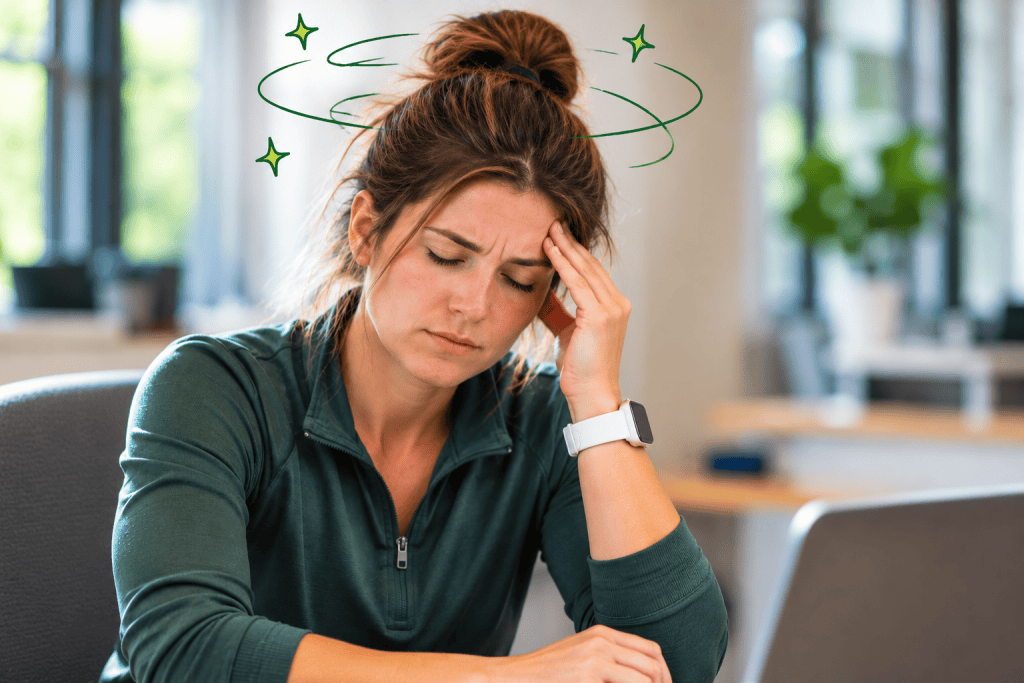
Some symptoms appear immediately. Others become noticeable hours or days later, especially when a person returns to demanding activities. Common symptoms include:
- Physical changes: headache, dizziness, nausea, balance problems, fatigue, blurred vision, or sensitivity to light and noise.
- Thinking difficulties: feeling foggy or slowed down, trouble concentrating, forgetfulness, or difficulty following a conversation.
- Emotional changes: irritability, anxiety, sadness, or feeling overwhelmed more easily.
- Sleep changes: trouble falling asleep or sleeping more or less than usual. [2]
Other people may notice that the injured person looks dazed, seems confused, responds slowly, or moves unsteadily. Take these changes seriously, even if the person insists they feel fine.
Get emergency help for a worsening headache that will not go away, repeated vomiting, seizures, weakness or numbness, slurred speech, increasing confusion, unequal pupils, or difficulty waking up. These can signal a more serious injury. [2]
How Long Does Recovery Take?
Most people improve over the first few weeks. Many adults feel better within a couple of weeks, while most children and teenagers feel better within two to four weeks. Some people take longer. [2, 3]
These are general expectations, not deadlines. Previous concussions, a high initial symptom burden, migraines, sleep problems, and mental health concerns can complicate recovery. Feeling comfortable on the couch also does not necessarily mean someone is ready for a full shift or a competitive game. [3, 5]
Recovery should include tolerating the demands of everyday life and progressively harder activities. Contact a healthcare provider if symptoms worsen or are not improving. Adults should follow up if symptoms persist beyond two to three weeks; ongoing symptoms around four weeks warrant a more comprehensive assessment. There is no need to wait that long to ask for help. [3–5]
Recovery Starts with Relative Rest, then Gradual Movement
During the first 24–48 hours, reduce demanding physical and mental activities. Prioritize sleep, take breaks, and keep your day manageable. Relative rest still allows simple daily activities and short, easy walks as tolerated. Spending days isolated in a dark room or staying in bed all day is generally discouraged. [3, 4]
After that initial period, gradually build activity with guidance from your healthcare provider. Light walking or stationary cycling may be appropriate before someone is ready for strenuous exercise. Regular meals, hydration, a consistent sleep schedule, and staying connected with supportive people can help maintain a healthy routine. [4, 6]
Screens do not necessarily need to disappear completely. Reduce screen exposure during the first day or two, then reintroduce it in manageable amounts. Shorter sessions and breaks can make schoolwork or computer tasks more tolerable. [3]
The goal is a manageable level of activity. If symptoms climb noticeably or remain elevated afterward, reduce the duration or intensity and discuss the response with your provider. Do not push through a major symptom flare. [4]
For Athletes: Returning to Play is a Process
If a concussion is suspected, the athlete should come out of play and receive an evaluation. There is no same-day return to sport after a concussion. [3]
An athlete’s return involves progressively greater demands, moving from regular daily activities to light aerobic activity, moderate exercise, heavy noncontact activity, controlled full-contact practice when appropriate, and competition. Each stage generally takes at least 24 hours, with healthcare supervision and approval. If symptoms return, stop and contact the treating provider before progressing. [7]
Student-athletes also need a return-to-school plan. Temporary breaks, reduced workloads, or extra time may help. School and early exercise recovery can overlap, but unrestricted competition should follow successful return to regular school activities and the required sports progression. [3]
For Workers: Match the Plan to the Job
Returning to a desk job is different from returning to a construction site. A concussion can affect concentration, reaction time, balance, and stamina, so work plans should reflect both symptoms and job demands. [5]
Temporary adjustments might include shorter shifts, more frequent breaks, fewer simultaneous tasks, a quieter workspace, or reduced screen exposure. Someone who drives for work, operates machinery, climbs ladders, or performs other hazardous duties may need additional restrictions and medical clearance before resuming those tasks. [5, 8]
For example, an office employee may tolerate a few focused work periods before managing a full day. A worker with dizziness may need duties at ground level until balance and safety improve. Written recommendations and communication among the worker, employer, and treating clinician help make expectations clear.
Where physical therapy fits
Concussion symptoms can have several contributing factors. Headaches may involve the neck. Dizziness may involve the balance system. Reading discomfort may involve eye movement or visual coordination. Exercise intolerance may require a carefully prescribed progression. [6]
A physical therapist trained in concussion care can assess these areas and provide treatment within their scope, such as neck rehabilitation, balance and vestibular exercises, and individualized aerobic exercise. Other concerns may require coordination with a physician, vision specialist, psychologist, occupational therapist, or speech-language pathologist. Treatment should follow the findings rather than use the same exercises for everyone. [6]

A clear plan makes the next step easier
Whether your goal is finishing a school day, getting through a work shift, or returning to the field, concussion recovery deserves a plan that fits your life. Recognize the symptoms, seek an evaluation, and build activity gradually with the right support.
If headaches, dizziness, balance difficulties, or exercise intolerance are holding you back after a concussion, contact Apex Physical Therapy & Wellness to discuss an evaluation and whether concussion rehabilitation may be appropriate for you.
Sources
- CDC. About Mild TBI and Concussion.
- CDC. Symptoms of Mild TBI and Concussion.
- CDC HEADS UP. What to Do After a Concussion.
- CDC. What to Do After a Mild TBI or Concussion.
- CDC HEADS UP. Managing Return to Activities.
- Steiner, Michael. Concussion Spot course materials: Concussion Basics & Screening; Acute Management; Exertion Therapy; Vestibular & Ocular Management; Sleep; and Cervical Management. Supplied course PowerPoint. Supplemented by Patricios JS et al. Amsterdam concussion consensus statement, British Journal of Sports Medicine, 2023;57:695–711.
- CDC HEADS UP. Returning to Sports.
- CDC. TBI in the Workplace Facts.
This article provides general education. Individual recovery and return-to-activity decisions require guidance from a qualified healthcare professional.