
Pelvic physical therapy can play a crucial role in helping manage the symptoms of endometriosis, a condition where tissue similar to the lining of the uterus grows outside the uterus, causing pain and often affecting pelvic organs. Here’s how pelvic physical therapy at Apex can help:
Pain Management
Endometriosis often causes pelvic pain, which can range from mild discomfort to severe pain that interferes with daily activities. Pelvic physical therapists are trained to assess and treat musculoskeletal issues in the pelvic region that may contribute to pain. They use techniques such as manual therapy, stretches, and exercises to improve muscle flexibility, reduce muscle tension, and promote better alignment of pelvic organs. By addressing these musculoskeletal issues, physical therapy can help alleviate pelvic pain associated with endometriosis.
Pelvic Floor Dysfunction
Many individuals with endometriosis experience pelvic floor dysfunction, characterized by tight, tense muscles in the pelvic floor. Pelvic physical therapists can assess the tone and function of the pelvic floor muscles and use techniques such as biofeedback, manual therapy, and specific exercises to relax and strengthen these muscles. Relaxing tense muscles and improving pelvic floor function can reduce pain and discomfort, improve bladder and bowel function, and enhance overall pelvic health.
Improving Mobility and Function
Endometriosis can cause stiffness and reduced mobility in the pelvic region due to pain and inflammation. Pelvic physical therapists work with patients to improve pelvic mobility, restore normal movement patterns, and enhance overall functional ability. They may prescribe specific exercises to improve flexibility, strength, and coordination in the pelvic area, which can help individuals with endometriosis perform daily activities more comfortably.
Education and Self-care Techniques
Pelvic physical therapists educate patients about their condition and provide guidance on self-care techniques. This may include ergonomic advice, posture correction, relaxation techniques, and strategies to manage pain flare-ups. By empowering patients with knowledge and practical tools, physical therapists enable individuals with endometriosis to actively participate in their own recovery and manage their symptoms more effectively.
Holistic Approach to Treatment
Pelvic physical therapy takes a holistic approach to treatment, addressing not only physical symptoms but also emotional and psychological aspects of living with chronic pelvic pain. Apex physical therapists provide compassionate care and support, helping patients navigate the challenges of managing endometriosis and promoting overall well-being.
Collaboration with Healthcare Providers
Here at Apex, we work collaboratively with other healthcare providers involved in the management of endometriosis, such as gynecologists, pain specialists, and psychologists. This interdisciplinary approach ensures comprehensive care tailored to the individual needs of each patient, with the goal of improving quality of life and functional outcomes.
Surgical Preparation and Recovery
For individuals undergoing surgical treatment for endometriosis, pelvic floor therapy can play a crucial role in both preparation and recovery. Pre-operative therapy can help optimize pelvic floor muscle function and reduce tension, which may improve surgical outcomes. Post-operative therapy focuses on promoting healing, restoring mobility, and addressing any pelvic floor issues that may arise as a result of surgery.
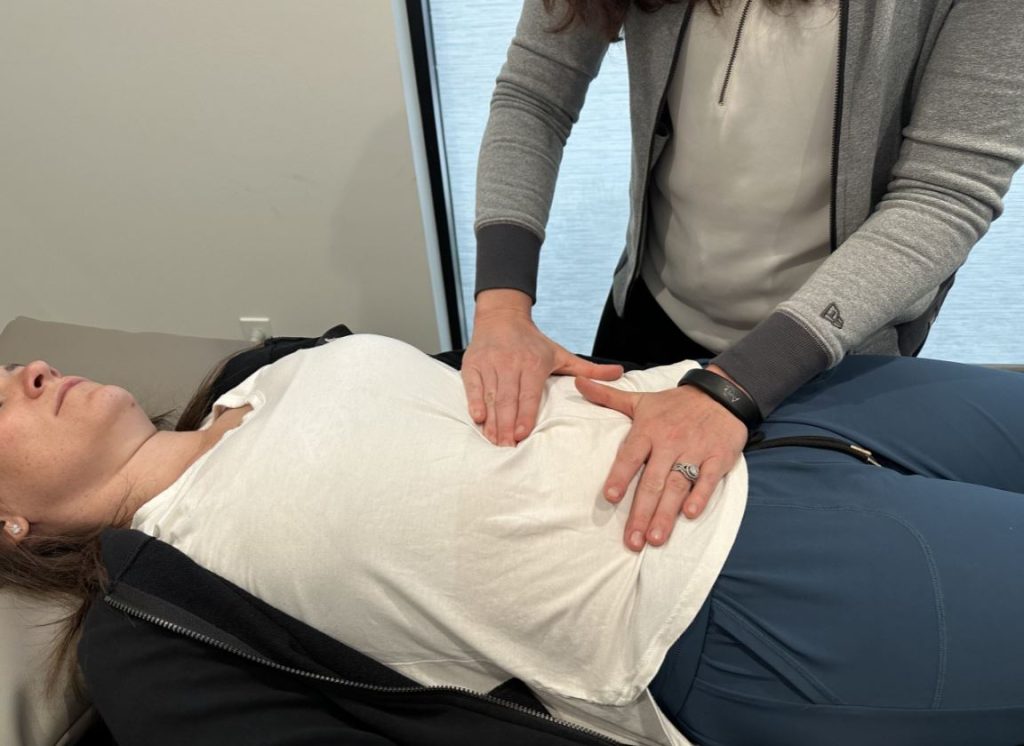
Apex Physical Therapy can be a valuable part of the treatment plan for individuals with endometriosis, offering targeted interventions to manage pain, improve pelvic floor dysfunction, solve mobility issues, and enhance overall pelvic health. By optimizing pelvic function and providing supportive care, physical therapists help individuals with endometriosis improve their quality of life and manage their symptoms more effectively.