
When most people think about pelvic physical therapy during pregnancy, they picture treatment for back pain, pelvic discomfort, or bladder leaks. While pelvic PT can absolutely help with those concerns, it’s also one of the most effective proactive tools for preparing your body for labor and delivery — even if you feel completely fine.
At Apex Physical Therapy & Wellness, we help pregnant women optimize pelvic floor function, mobility, breathing, and body mechanics so labor can feel smoother, more efficient, and more empowering. Pelvic physical therapy isn’t only about fixing problems — it’s about preparing your body for one of the biggest physical events it will ever experience.
Pelvic PT Is About Preparation, Not Just Pain Relief
Pregnancy creates significant changes throughout the body. As your baby grows, your pelvic floor, hips, abdominal muscles, and posture all adapt to support that growth. Even without pain, these structures are under increased stress every day.
Pelvic physical therapy helps you understand how your body moves, how your pelvic floor functions, and how to work with your body — rather than against it — during labor and postpartum recovery.
A proactive pelvic PT program can help you:
- Improve pelvic floor coordination for labor and pushing
- Build strength and support for postpartum recovery
- Increase hip and pelvic mobility for labor positioning
- Learn how to relax the pelvic floor during contractions
- Reduce strain on the low back and pelvis throughout pregnancy
- Lower the risk of postpartum concerns like incontinence or prolapse
The biggest misconception about pelvic PT is that you need pain before seeking treatment. In reality, many of the greatest benefits come from starting before symptoms develop.
How Pelvic Physical Therapy Helps Prepare You for Labor
1. Learn How to Relax Your Pelvic Floor
One of the most important parts of labor is something many people never think about: your pelvic floor needs to relax and lengthen to allow your baby to descend during delivery.
Many people unknowingly hold tension in their pelvic floor muscles, especially during stress or discomfort. Pelvic PT teaches you how to recognize that tension and practice releasing it through breathing, positioning, and movement strategies.
At Apex, we may use biofeedback technology to help you better understand how your pelvic floor muscles are functioning and identify positions where your body naturally relaxes most effectively.
This preparation can make labor more comfortable and help improve pushing efficiency when the time comes.
For example, some individuals discover that:
- Side-lying positions reduce pelvic tension
- Supported squats improve relaxation and comfort
- Hands-and-knees positioning decreases pressure in the pelvis
- Specific breathing patterns help release muscle guarding
Learning these strategies before labor allows you to feel more confident and prepared during delivery.
2. Improve Mobility and Support Baby’s Descent
Labor is dynamic, and movement matters. Your baby moves through the pelvis in several phases, and different positions can help create more space throughout the process.
These stages include:
- The pelvic inlet — when the baby first enters the pelvis
- The mid pelvis — where rotation and positioning occur
- The pelvic outlet — where pushing and delivery happen
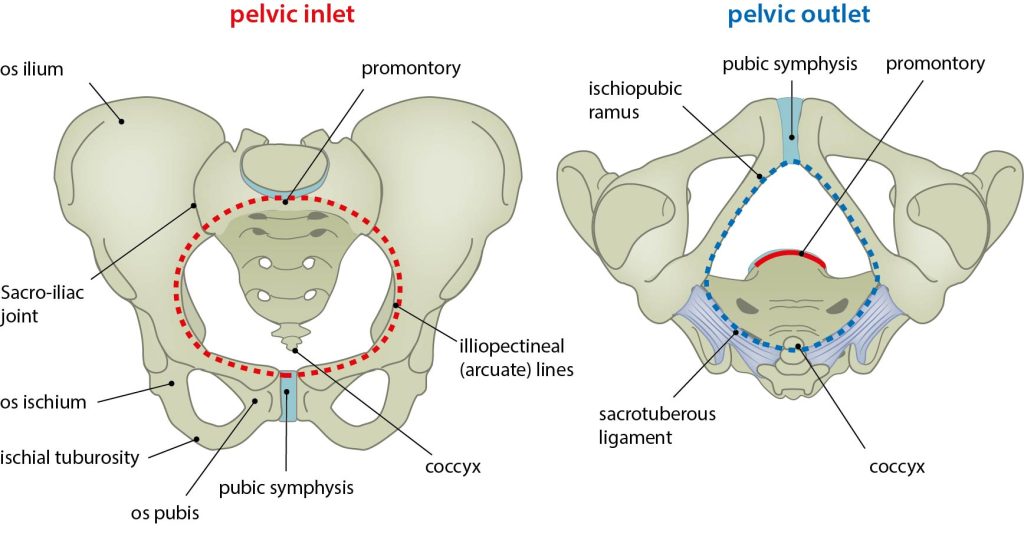
Pelvic PT helps you explore movements and labor positions that support your baby’s progression while also improving your comfort.
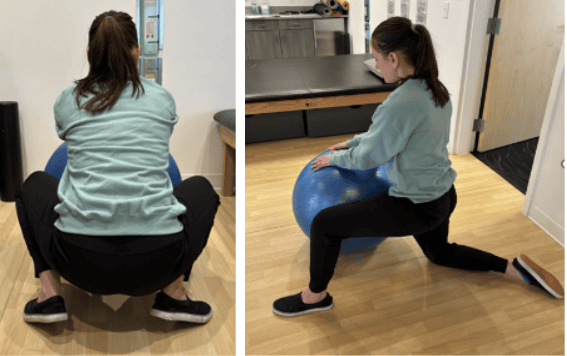
Common techniques may include:
- Supported squats
- Gentle lunges
- Rocking or mobility movements
- Asymmetrical hands-and-knees positions
- Side-lying labor positions
- Hip mobility exercises
Practicing these movements ahead of time helps remove uncertainty during labor and gives you practical tools you can use in real time.
3. Help Your Partner Feel More Confident During Labor
Partners often want to help during labor but may not know how. Pelvic PT can provide practical education that helps partners become active, supportive participants in the birth process.

If desired, a partner can attend a session with you and can learn how to:
- Assist with labor positions
- Provide physical support during contractions
- Apply counterpressure for back labor
- Encourage movement and breathing strategies
- Help maintain comfort and rhythm throughout labor
This hands-on preparation often improves communication, reduces anxiety, and helps both partners feel more confident leading up to delivery.
When Should You Start Pelvic PT During Pregnancy?
The good news is that it’s never “too early” to begin pelvic physical therapy during pregnancy.
- Early pregnancy: Focus on posture, breathing, core awareness, and preventative strategies
- Mid-pregnancy: Improve mobility, pelvic floor coordination, and labor preparation
- Late pregnancy: Practice labor positions, pushing strategies, and partner-assisted techniques
Many people wait until symptoms appear before seeking care, but starting earlier allows more time to build strength, improve mobility, and prepare your body proactively.
The Bottom Line
Pelvic physical therapy during pregnancy is about more than treating pain — it’s about preparing your body, building confidence, and helping you feel empowered throughout labor and recovery.
By learning how to move efficiently, relax your pelvic floor, and use supportive labor strategies, you can enter delivery feeling more prepared physically and mentally.
Ready to prepare for labor with confidence? Contact Apex Physical Therapy & Wellness today to schedule a pelvic physical therapy consultation and learn how proactive care can support your pregnancy journey from start to postpartum recovery.