
The menstrual cycle is a regular, natural process that occurs in individuals with uteruses, typically from puberty until menopause. It involves a series of hormonal changes that prepare the body for a potential pregnancy. However, the menstrual cycle doesn’t get enough credit for the important information it can provide about the overall health of a person. When a person is healthy, their menstrual cycle will arrive regularly and with minimal to no symptoms. The opposite will happen when there is an underlying issue. Your cycle will be irregular, have unwanted symptoms, and can be a miserable experience. Let’s dive deeper into what your period says about your health.
Menstrual Fluid Color and Consistency
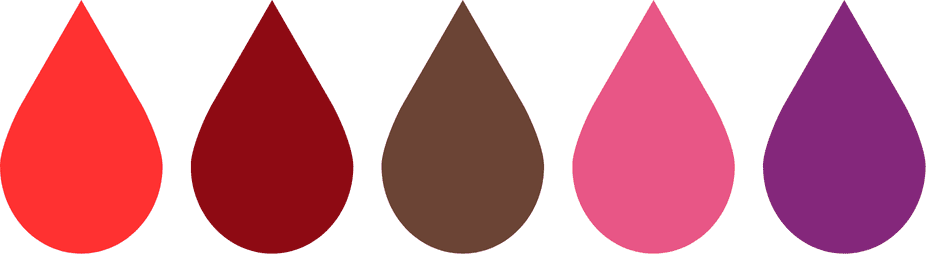
Normal: Variations in menstrual blood color are usually normal, from red to purple and everything between. Here’s what different colors indicate:
- Bright Red: This is usually a sign of fresh blood. Bright red blood often appears at the beginning of your period and indicates a relatively quick flow.
- Dark Red: Dark red blood can be older blood that has been in the uterus a bit longer and has had more time to oxidize. It’s common later in the period or at the end of the flow.
- Brown: Brown blood is also old blood, and it’s common to see it at the start or end of your period. The brown color results from the blood oxidizing and taking a longer time to exit the body. It can also appear in lighter flows or spotting.
- Pink: Pink blood can occur when menstrual blood mixes with cervical fluid, which dilutes the color. It’s often seen at the beginning or end of your period or during light bleeding.
- Purple: Occasionally, you might see a purplish hue, which is typically a mix of bright red and dark red blood. This can be due to variations in flow or the mixing of different types of blood.
Abnormal:
- Overall, variations in menstrual blood color are usually normal. However, if you notice any significant changes or experience other symptoms like unusual pain or strong odor, that could indicate an infection or underlying medical issue.
Menstrual Flow
Normal: You should lose about 50mL of menstrual fluid over the days of your period. One regular soaked pad or tampon holds about 5mL of fluid and one super tampon holds about 10mL of fluid. So, 50mL of fluid equals ten fully soaked regular or five soaked super tampons over the entire period.
Abnormal:
- Heavy Bleeding: > 80mL of fluid loss over the days of your period
- The most common cause of heavy periods is a hormonal imbalance including low progesterone and high estrogen levels. It could also suggest conditions like fibroids and polyps.
- Light Bleeding: < 25mL of fluid loss over the days of your period
- Light bleeding doesn’t always mean something is wrong. It does raise the question of whether you are experiencing a true period or an anovulatory cycle where you are not ovulating. The first step is to identify if you are ovulating. If you are ovulating, no need to worry about the scanty flow. If you have no evidence of ovulation, then it is important to establish regular ovulation which may include reducing stress, changes in diet, and hormonal balancing.
Duration of Bleeding
Normal: Typical duration is 3-7 days
Abnormal:
- Prolonged Bleeding: The most common cause of prolonged bleeding is an anovulatory cycle which can occur with PCOS or perimenopause.
- Shortened Bleeding: This could be normal if all other aspects of your menstrual cycle are normal, but it could also indicate a hormonal imbalance.
Cycle Length
Normal: Typical cycle length is 21-35 days.
Abnormal: A shorter or longer cycle can indicate an anovulatory cycle or a hormonal imbalance like PCOS or thyroid disorders. If you are over 45-year-old the cycle length can change as you transition into perimenopause. If you are younger than 45-years-old, a change in cycle length can be due to stress, illness, undereating, or a hormonal imbalance.
Menstrual Pain (Dysmenorrhea):
Normal: Mild cramping that is manageable and doesn’t limit your ability to complete daily life tasks. It usually occurs just before your period or on the first day or two of your period.
Abnormal: Sever pain that is unmanageable with ibuprofen, limits your ability to complete functional activities throughout your day, or last longer than a few days is not normal. Severe menstrual pain could indicate an infection, endometriosis, or adenomyosis.
I invite you to think about your menstrual cycle as your monthly reports card on your overall health. Each cycle, you get detailed reports about what is happening in your body related to your overall health and in-site into what you need to do to regain optimal health. If you are experiencing any of the abnormal aspects of your menstrual cycle or significant changes, I recommend reaching out to your healthcare provider or talk with one of Apex’s pelvic health team members for more information to help determine if there are underlying issues and guide you on the best course of action for your pelvic health. Always remember, a normal menstrual cycle is consistent and occurs smoothing with minimal symptoms. You don’t have to suffer or dread another month.