Temporomandibular Joint Disorder (commonly called TMJ or TMD) can be a complex and frustrating condition, often marked by jaw pain, limited movement, clicking or popping, headaches, and tension in the face, head, or neck. It affects more than just the jaw—it can impact quality of life, from chewing and speaking to sleep and posture.
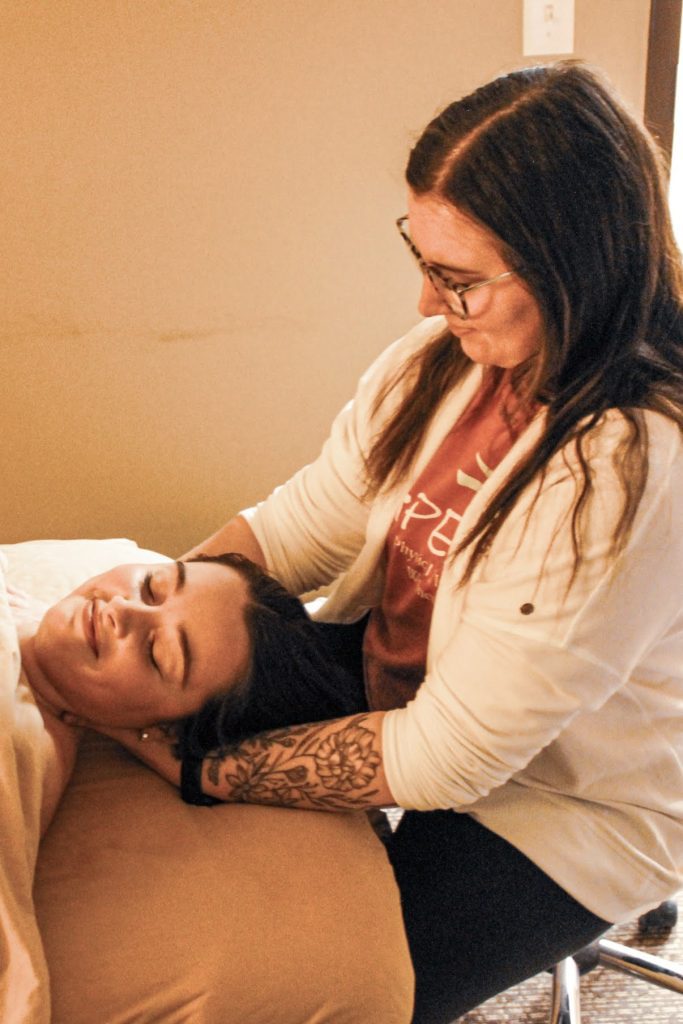
As a massage therapist trained in craniosacral therapy and practicing within a physical therapy clinic, I frequently see clients struggling with TMJ-related discomfort. One of the most effective tools I use in this setting is craniosacral therapy (CST)—a gentle, hands-on technique that helps release tension and restore subtle balance throughout the craniosacral system.
What Makes Craniosacral Therapy Unique?
Craniosacral therapy works with the body’s natural rhythms and the movement of cerebrospinal fluid to reduce restrictions in the membranes and fascia surrounding the central nervous system. Using light touch (often no more than five grams of pressure, or about the weight of a nickel), CST allows for deep release without force or discomfort—making it particularly well-suited for addressing sensitive, complex structures like the jaw.
How CST Helps with TMJ Disorders
TMJ dysfunction often results from a combination of muscular tension, postural imbalances, dental issues, stress, and trauma. CST helps by working with both external structures—like the temporomandibular joints, cervical spine, and cranial bones—and intraoral components that directly influence jaw function.
This gentle approach supports TMJ relief by:
- Releasing soft tissue restrictions in the face, jaw, and neck
- Improving mobility and alignment of the temporomandibular joints
- Reducing nervous system overload and associated muscular tension
- Encouraging better function through fluid movement and fascial unwinding
Intraoral Work: More Than Just the Jaw
One important part of TMJ-focused craniosacral therapy is intraoral work, which I incorporate as needed and always with consent. Wearing gloves, I use very gentle techniques to assess and release tension inside the mouth. While many people associate this work with the muscles of mastication, such as the medial and lateral pterygoids, CST goes deeper—addressing the zygomatic bones, palatines, vomer, and even the relationship between the teeth and surrounding structures.
These bones and tissues form the architecture of the midface and play a critical role in the function and stability of the jaw. Tension or misalignment here can contribute to TMJ symptoms and may also be connected to headaches, sinus pressure, or neck dysfunction.
A Complement to Physical Therapy
Working within a physical therapy clinic allows me to collaborate closely with other healthcare professionals, ensuring that craniosacral therapy complements your broader treatment plan. Whether you’re addressing TMJ directly or managing related concerns like posture or chronic tension, CST is a gentle but powerful modality that fits seamlessly into a multidisciplinary approach.
If you’re dealing with jaw discomfort, clenching, or facial tension, craniosacral therapy may offer the relief you’ve been looking for—without force, medication, or invasive interventions.