
Returning to sports after an injury is a crucial decision that can significantly impact an athlete’s long-term health and performance. Bone bruises and stress fractures are common injuries that require careful management to ensure complete recovery and prevent re-injury. Understanding when and how to return to sport is vital for athletes and coaches. Physical Therapy will provide both the knowledge, guidance, and expertise rehabilitate athletes back to the safest and best condition.
Bone Bruises and Recovery Timeline:
A bone bruise is a less severe injury than a fracture, but it still involves a contusion to the bone that results in bleeding and swelling within the bone.
The recovery period for a bone bruise can vary widely depending on the severity of the injury and the individual’s overall health. Typically, it takes 4 to 8 weeks to heal completely. Initially, the focus should be on reducing pain and inflammation, restoring range of motion, and gradually rebuilding strength. It may require rest from weight-bearing activities for a period of time.
Stress Fractures and Recovery Timeline:
A stress fracture is a small crack or severe bruising within a bone caused by repetitive force or overuse. It is more common in weight-bearing bones and can significantly impact an athlete’s ability to train and compete.
Recovery from a stress fracture typically takes 6 to 8 weeks, but it can be longer depending on the severity and location of the fracture. Complete rest from weight-bearing activities is often necessary initially, followed by a gradual return to activity.
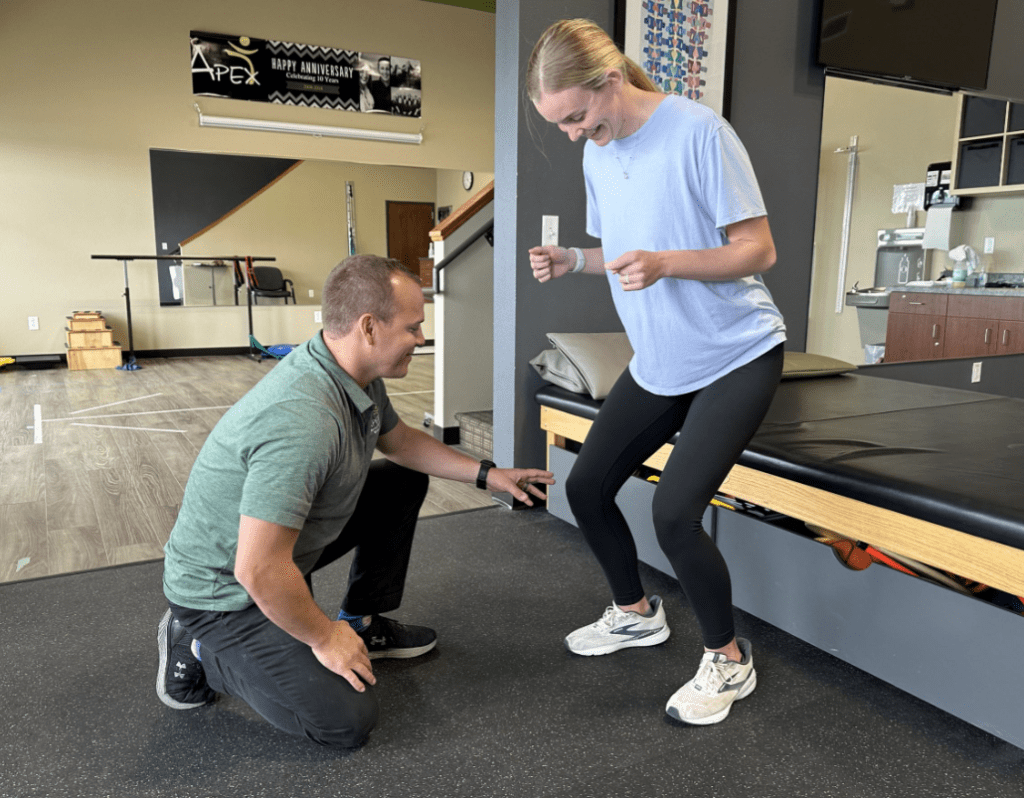
Signs You Are Ready for return to activity:
- Pain-Free Movement: You should be able to move the affected area without pain during daily activities and light exercise.
- No Swelling or Tenderness: The injured area should no longer be swollen or tender to the touch.
- Full Range of Motion: You should have regained the full range of motion in the affected joint or limb.
- Strength and Stability: It is normal to have a loss of strength and muscle performance after injury. Muscles around the injury site needs to be strong and stable to be able to withstand the demands of the sport.
Steps to Return to Sport:
- Gradual Progression: Start with low-impact activities such as swimming or cycling before progressing to sport-specific drills.
- Functional Testing: Perform sport-specific movements to test your readiness. This can include running, jumping, or agility drills.
- Full return to practice: Able to practice and participate in drills and game simulation.
Returning to sport after a bone bruise or stress fracture requires careful consideration and a structured approach. Your Physical Therapist will ensure that the goal of returning to sport safely, as well as the long-term goal of preventing re-injury are achieved.