
What Is Pain, Really?
Pain is something we all feel at some point. It might be a stubbed toe, a headache, or a sore back after a long day. But pain isn’t just about the body—it’s also about the brain. Pain is your body’s way of saying, “Hey! Something’s not right.” It’s a warning system that helps protect you from harm.
Imagine touching a hot stove. Instantly, you feel pain and pull your hand away. That pain helped you avoid a serious burn. So even though pain feels bad, it actually has a good purpose: keeping you safe.
Why Do We Have Pain?
Pain starts when special sensors in your body—called nociceptors—detect something dangerous, like heat, pressure, or injury. These sensors send signals through your nerves to your spinal cord and then up to your brain. Your brain decides what to do with that information.
But here’s something surprising: pain doesn’t always mean there’s damage. Sometimes, your brain can create pain even when your body is okay. This can happen when your nervous system becomes too sensitive or when your brain misreads signals. That’s why some people feel pain even after an injury has healed.
How Pain Neuroscience Works
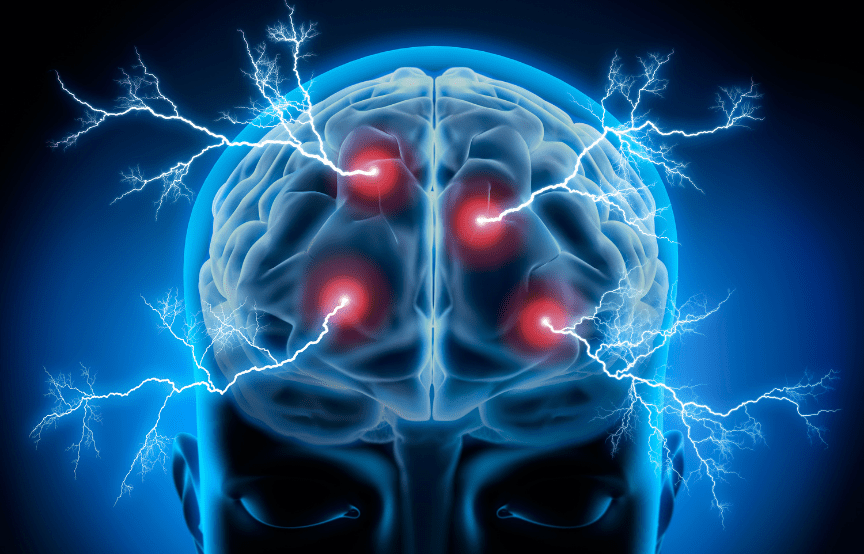
Pain neuroscience is the study of how pain works in the brain and nervous system. Scientists have learned that pain is not just about the body—it’s about how your brain interprets signals. Your thoughts, emotions, and past experiences can all affect how much pain you feel.
For example:
- If you’re scared or stressed, pain can feel worse.
- If you feel safe and calm, pain might feel less intense.
- If you’ve had pain for a long time, your brain might become “better” at producing pain—even when there’s no danger.
This is called “central sensitization,” and it means your brain and spinal cord are more sensitive to pain signals. It’s like turning up the volume on a speaker—everything feels louder, even small things.
How Physical Therapists Use Pain Neuroscience Education
Physical therapists (PTs) are experts in movement and healing. But they don’t just help with exercises—they also teach people about pain. This is called Pain Neuroscience Education (PNE), and it’s a powerful tool to help people feel better.
Here’s how it works:
- PTs explain how pain is created in the brain.
- They help patients understand that pain doesn’t always mean damage.
- They teach calming techniques to help the nervous system relax.
- They guide patients through safe movements to rebuild confidence.
When people understand their pain, they often feel less afraid. That fear can make pain worse, so reducing it helps the brain feel safer. And when the brain feels safe, it turns down the pain signals.
Real-Life Example
Let’s say someone has back pain that’s lasted for months. They’ve had X-rays and tests, but nothing is seriously wrong. Still, the pain won’t go away. A physical therapist might explain that the brain is still sending pain signals even though the back is healed. Then, they’ll help the person move gently, stretch, and build strength. Over time, the brain learns that movement is safe—and the pain fades.
Why This Matters
Pain can be scary, especially when it sticks around. But learning about pain helps people take control. Pain Neuroscience Education gives people hope. It shows that pain is not just a mystery—it’s something we can understand and manage.
So next time you feel pain, remember: your body is trying to protect you. And with the right help, like from a physical therapist, you can teach your brain that it’s okay to feel safe again.